Exploring Military Aviation: Strategic Importance Today
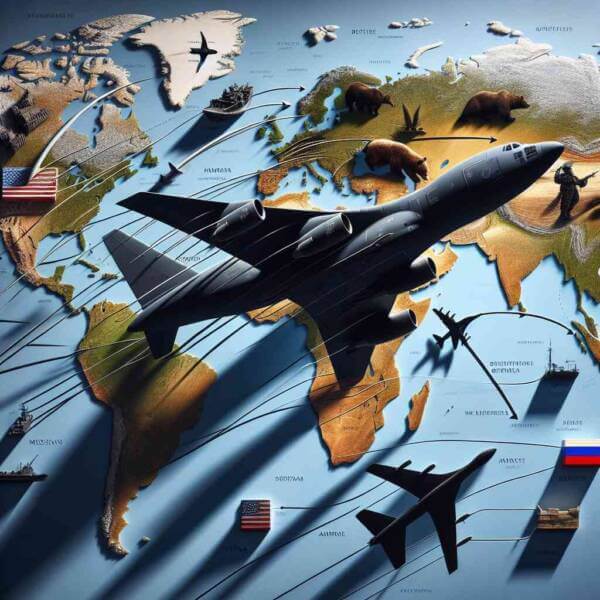
Since its beginnings in the early 20th century, military aviation has changed how wars are fought.
Today, military aviation encompasses a wide range of aircraft types, from fighter jets and bombers to surveillance drones and transport planes.
History of Military Aviation
As technology advanced, airplanes were adapted for air-to-air battles, altering battlefield dynamics.
Important events in the evolution of military aviation:
- Development of air combat tactics
- Massive growth in air power
- Rapid development of jet technology
- Rise of unmanned aerial vehicles (UAVs)
Each era brought more powerful aircraft that pushed the limits.
Types of Military Aircraft
Military aviation includes a variety of aircraft, each designed for specific missions.
Major aircraft classifications:
- Aircraft designed for air-to-air combat
- Bombers
- Logistical support aircraft
- Unmanned aircraft for intelligence gathering
Each type plays a critical function in military operations, from securing airspace.
The Strategic Value of Military Aviation
Controlling the skies gives forces the advantage.
How controlling the air impacts battles:
- Protecting ground forces
- Cutting off enemy resources
- Surveillance and reconnaissance missions
- Psychological impact on enemy forces
Nations with strong military more info aviation capabilities can defend their interests more effectively.
Technological Innovations in Military Aviation
Constant research and development redefine capabilities for future warfare.
Future technologies in military aviation:
- Aircraft designed to evade radar detection
- Ultra-fast strike capabilities
- Autonomous drones
- New forms of aerial weaponry
These advancements increase survivability for air forces worldwide.
Obstacles Facing the Industry
Despite technological superiority, military aviation faces numerous challenges.
Key challenges include:
- Expensive research and operations
- Short life cycles for cutting-edge aircraft
- Cybersecurity threats
- Questions about accountability and control
Addressing these challenges is necessary for effective defense strategies.
Future of Military Aviation
The future of military aviation promises radical innovations.
Future trends may include:
- Smarter decision-making systems
- Military satellites and space-based weapons
- Reducing environmental impacts of defense operations
- Enhanced multinational cooperation
The next era of military aviation will revolutionize how wars are fought.
The Enduring Power of Military Air Forces
Military aviation remains a decisive factor in global defense.
As technology continues to evolve, the skies will remain a vital domain where military aviation safeguards freedoms.
The future of military aviation is more dynamic than ever — and it’s only just beginning.